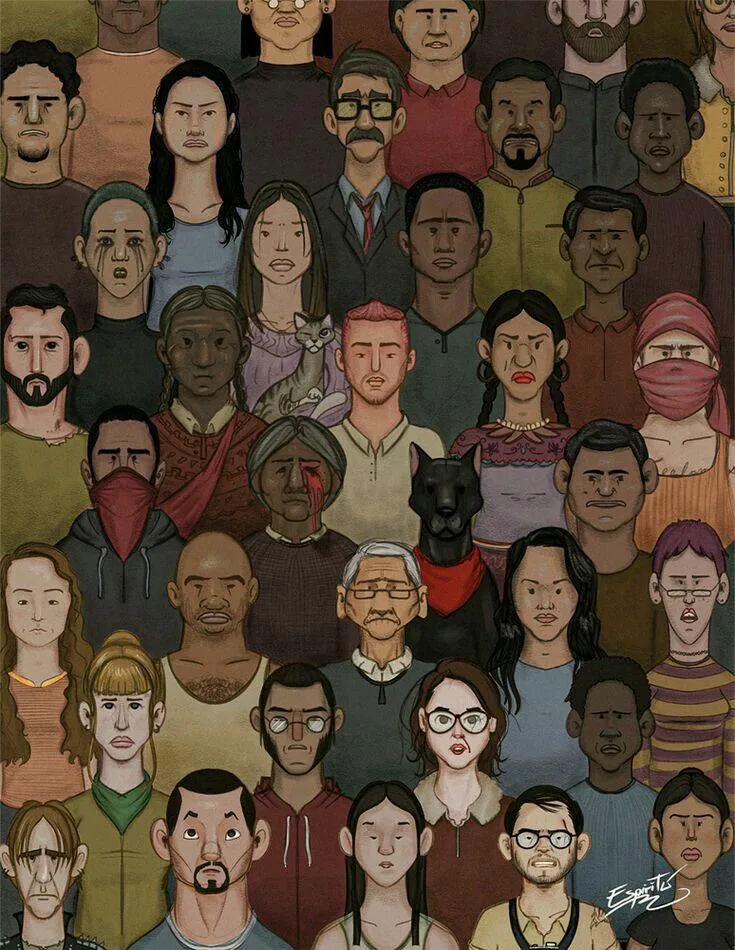
Most discrimination does not announce itself. It does not come with slurs, protests, or breaking news. Instead, it comes dressed as normal. When we usually think of discrimination or offensive behavior, we tend to imagine more extreme examples rather than the intimate, everyday moments.
A teacher calling on boys because “they’re more confident.” A recruiter scanning for “neutral” names. A friend insisting a comment was “just a joke.” The way English accents still decide how “educated” someone sounds. It is quiet and so ordinary that it disappears into daily life.
That is what makes it powerful and what affects us daily. The same cues play repeatedly until bias starts to feel like common sense. By the time we become adults, we have absorbed decades of signals about who sounds smart, who looks professional, and who deserves patience. We don’t call it discrimination. We call it instinct.
Everyday bias hides in compliments, in hiring decisions, in who gets interrupted first. It hides in the tone we use with some people and the benefit of the doubt we give to others. It hides in how the word “ambitious” sounds different depending on who you describe or how “well-spoken” becomes a coded way of saying “unexpectedly articulate.”
It is not that people wake up wanting to be unfair. It is that fairness requires awareness, and awareness takes work. You have to listen to the parts of your brain that whisper before you think—in the split-second judgment, the subtle assumption. Those moments are small, but they add up.
Sometimes subtle discrimination expresses itself through what's called "affinity bias"—when we unconsciously prefer people who are like us. This might cause a hiring manager to favor candidates from their alma mater or a team to welcome members who share similar hobbies or backgrounds. While natural, this bias narrows perspectives and limits diversity.
Similarly, "confirmation bias" reinforces these patterns. We tend to seek out information that supports our existing beliefs and ignore anything that challenges them. This can mean overlooking the accomplishments of colleagues because they don't fit the stereotype we hold, further perpetuating unfairness.
The goal is not guilt. It is attention. It is paying notice to what you let slide, who you take seriously, who you credit, and who you forget. It is realizing that discrimination is not always about who we dislike. Sometimes it is about who we fail to see.
Systems do not change just because we criticize them. They change when people stop repeating them. When enough of us decide that comfort is not worth the cost of silence.
Discrimination rarely feels dramatic in the moment. But every unchallenged bias becomes another brick in the wall someone else has to climb. The work begins when you stop pretending neutrality is innocence and start noticing where you stand.